Enterprise UAS (or drones) are really shaking up how businesses check their assets, create maps of work sites, and handle operational risks. But when it comes to picking a manufacturer, don’t just look at flight times or camera specs—there’s a lot more to consider. Buyers around the world want real-world proof from deployments, info on after-sales support, software compatibility, safety procedures, and long-term reliability.
Brandon Torres Declet — a well-known expert in enterprise drones and a former CEO of Measure — once said, “The drone is just a tool; the real value is in the data.” That’s still so true today. A dependable UAV should turn things like bridge inspections, solar farm surveys, or emergency evaluations into clear, actionable info. Keep in mind, though, the drone is only part of the whole equation.
This guide takes a closer look at some of China’s top enterprise UAV makers, trying to keep things practical for anyone looking to buy. We evaluate their experience in the industry, payload options, autonomous features, how they handle data workflows, training, maintenance, and support for exporting. Companies like DJI Enterprise, XAG, JOUAV, AEE, and MMC Aviation are all covered, each having their own strengths depending on what you need—be it construction, farming, energy projects, public safety, or infrastructure monitoring.
Getting some hands-on experience in the field really helps reveal details that sales brochures can’t show. Questions to ask include: How fast does the battery recover? Can operators work reliably in windy, dusty conditions, or with weak network signals? And when the deployment is over, does technical support actually respond?
Of course, no single review or ranking is perfect. Sometimes, public info is a bit patchy, and local regulations can influence procurement choices. It’s super important for buyers to double-check certifications, data privacy policies, service network coverage, and how well the system performs at your specific site before making any commitments. Even if a platform looks promising, it can still fall flat without properly trained operators or reliable maintenance. That’s the tricky part — performance really depends on the whole system working together.

Enterprise UAV Classes by MTOW: Under 25 kg, 25–150 kg, and Above 150 kg
For global buyers comparing China’s top 10 enterprise UAV manufacturers, MTOW is a practical starting point. Maximum takeoff weight includes the aircraft, battery, payload, and approved accessories. Under 25 kg, platforms usually support mapping cameras, thermal sensors, inspections, and compact delivery trials. They are easier to transport and often require simpler field handling. Still, a light airframe can lose endurance in strong wind.
The 25–150 kg class offers more payload capacity and longer mission flexibility. Buyers may specify multispectral cameras, heavier surveying equipment, or redundant safety systems. Above 150 kg, enterprise UAVs need stronger launch areas, detailed maintenance plans, trained crews, and carefully reviewed airspace permissions. These aircraft may support industrial monitoring, emergency assessment, or large-area surveying. They also create higher operating costs. Payload figures can look impressive on paper, yet real performance changes with temperature, altitude, battery age, and wind. That detail is often underestimated.
Tips: Ask each manufacturer for verified MTOW test data, payload endurance charts, maintenance records, and operator training requirements. Confirm whether the stated payload includes batteries and mission equipment. Request demonstrations in conditions similar to your worksite. Check local aviation rules before purchase, and document every approval. A smaller UAV may be the better investment when roads, storage, or crew capacity are limited. Do not choose by weight alone. Reliability, service response, software compatibility, and transparent technical evidence matter just as much.
Selection Framework: Comparing 10 Manufacturers Across 6 Buyer Metrics
China Top 10 Enterprise UAV Manufacturers for Global Buyers
Selection Framework: Comparing 10 Manufacturers Across 6 Buyer Metrics
A serious comparison should examine six buyer metrics: flight endurance, payload capacity, navigation stability, data protection, after-sales support, and total ownership cost. We assessed ten enterprise UAV manufacturers using public specifications, technical documents, and buyer feedback. Numbers can mislead. A claimed 45-minute flight may fall below 30 minutes in wind, cold weather, or heavy payload conditions.
Flight testing should include repeated missions, not one impressive demonstration. Record takeoff weight, battery cycles, landing accuracy, and communication performance near buildings. Payload quality also matters. A stable camera mount may create better survey results than a higher advertised payload. We checked whether each manufacturer offered maintenance guidance, replacement parts, training, and clear warranty procedures.
Support often separates a usable platform from an expensive interruption. Measure initial response time, local service coverage, software update practices, and repair turnaround. Data protection requires careful questions about storage, access permissions, encryption, and export controls. Do not accept vague promises. Request written policies and practical deployment examples.
Cost analysis should include batteries, chargers, software subscriptions, operator training, insurance, and downtime. Our scoring model used equal weights, although that choice is imperfect. A mapping company may value endurance more than customer support, while an inspection team may reverse those priorities. Buyer interviews and site trials remain essential before signing a large order.
Top 10 Chinese Enterprise UAV Manufacturers by Mission and Product Segment
China’s enterprise UAV market covers distinct missions, not one universal aircraft. The top ten manufacturers are better compared by product segment and operating environment. Mapping specialists typically offer long-endurance platforms, accurate cameras, and software for surveying large sites. Inspection-focused makers build stable systems for power lines, bridges, ports, and industrial facilities. Agricultural suppliers emphasize spray consistency, terrain following, and easy maintenance.
Other manufacturers serve emergency response, environmental monitoring, logistics trials, and public-safety observation under authorized operations. Some produce compact multirotors for rapid deployment, while others develop fixed-wing systems for extended coverage. During supplier evaluations, I examine payload capacity, flight time under realistic weather, spare-part availability, training quality, and data-security controls. A specification sheet can look impressive. Field performance may differ.
Tips: Match the aircraft to the mission first. Request flight records, sample imagery, maintenance intervals, and local service contacts. Confirm export rules, airspace requirements, privacy duties, and radio compliance before purchasing. Small details matter, such as battery storage temperature and controller visibility in bright sunlight. I have seen buyers overvalue maximum endurance and overlook setup time. That mistake is understandable, but costly. A reliable manufacturer should explain limitations clearly, provide measurable test conditions, and support safe, lawful deployment across the intended market.
Payload, Endurance, and C2 Range: Measuring Commercial Flight Performance
China Top 10 Enterprise UAV Manufacturers for Global Buyers
Payload, Endurance, and C2 Range: Measuring Commercial Flight Performance
Commercial UAV selection should begin with measurable flight performance, not catalogue claims. Grand View Research estimates the global commercial drone market will expand strongly through 2030, increasing pressure on buyers to compare specifications carefully. Payload is practical capacity, including cameras, batteries, and mounting systems. A 5-kilogram rating may deliver less after adding a thermal sensor and safety equipment. Endurance also changes with wind, temperature, altitude, and battery age. Real missions often fall below laboratory figures. That gap deserves attention.
C2 range means the reliable command-and-control link, not the maximum video distance. EASA guidance emphasizes operational risk, communication reliability, and contingency planning. Standards from ASTM and aviation authorities also support more consistent remote-identification and control practices. Buyers should request test conditions, link-loss behavior, recovery time, and recorded flight logs. A 20-kilometer claim means little without terrain, antenna height, spectrum conditions, and regulatory limits. Range is contextual.
Tips: Build a comparison sheet using payload at takeoff, payload at landing, endurance with a working sensor, and verified C2 range. Ask for independent test evidence. Inspect three missions, not one demonstration. Keep a margin of at least 20% for wind and battery aging. This margin is imperfect, but useful. Reliable procurement values repeatability over impressive numbers.
BVLOS Readiness: Autonomy, Remote ID, Detect-and-Avoid, and UTM Integration
China Top 10 Enterprise UAV Manufacturers for Global Buyers
BVLOS capability is more than a long-range radio link. It requires tested autonomy, reliable navigation, and disciplined contingency procedures. The FAA’s 2024 Aerospace Forecast reported more than 850,000 registered drones in the United States. That scale increases pressure on enterprise manufacturers to prove safety, not just advertise range.
Remote ID should transmit the aircraft’s identity, position, and control-station location. Buyers should request test records against ASTM F3411 requirements. Detect-and-avoid systems need more than obstacle sensors. They must combine radar, cameras, navigation data, and clear pilot alerts. In field trials, rain, reflective surfaces, and small aircraft remain difficult. That weakness deserves honest disclosure.
UTM integration connects flight authorization, traffic awareness, and operational monitoring. EASA’s U-space framework identifies network identification, geo-awareness, flight authorization, and traffic information as core services. Enterprise platforms should support these functions through documented interfaces and secure data exchange. Autonomy can reduce workload, but it cannot replace sound judgment. A practical evaluation includes lost-link drills, degraded-GNSS testing, remote log access, and human takeover. The neat checklist may still fail. That is why buyers should examine incident records, software update controls, and independent validation before selecting a supplier.
This comparative index uses four practical BVLOS readiness dimensions: onboard autonomy, Remote ID support, detect-and-avoid capability, and UTM integration. Scores are normalized from 0 to 100 using publicly observable product documentation and regulatory-readiness indicators; they represent capability maturity rather than market share or company size.
Production Quality: ISO 9001, IP Ratings, Redundancy, and MTBF Targets
For global buyers assessing Chinese enterprise UAV manufacturers, production quality starts with controlled processes, not polished brochures.
ISO 9001 certification should cover design, assembly, testing, and corrective actions. The ISO Survey 2023 recorded approximately 1.27 million ISO 9001 certificates worldwide. That figure shows adoption, not aircraft reliability. Ask for certificate scope, audit dates, supplier controls, and serial-number traceability.
Ingress protection needs precise context.
IEC 60529 defines IP testing, but an IP54 airframe is not automatically weatherproof during flight. Request test voltage, dust exposure, water flow, test duration, and sealing performance after maintenance. The 2024 Drone Market Report estimated the commercial drone market above US$30 billion, increasing pressure on manufacturers to document repeatable production quality. Growth can hide weak inspection discipline. Look for factory acceptance records, thermal cycling results, vibration tests, and battery batch data.
MTBF targets must be subsystem-specific.
A single aircraft-wide figure can mislead procurement teams. Request assumptions, sample size, operating hours, failure definitions, and confidence levels. MIL-HDBK-217F or Telcordia SR-332 may support calculations, but field data remains more persuasive. A 2,000-hour MTBF claim means little without mission profiles and warranty-return trends. Ask for FRACAS records and twelve-month failure statistics. Perfect numbers are suspicious. I would challenge them. Reliability estimates often change after humidity, dust, and repeated landing impacts enter real operations.
Global Procurement: CAAC, FAA, EASA, and Export-Control Compliance
For global buyers comparing China’s top ten enterprise UAV manufacturers, compliance should shape the shortlist, not decorate it. CAAC’s 2023 Civil Aviation Industry Development Statistical Bulletin recorded more than 1.26 million registered civil drones and 23.11 million flight hours in China. That scale signals operational maturity, but it does not guarantee overseas acceptance. Ask each supplier for airworthiness evidence, serial-number traceability, software-version records, battery UN 38.3 test documents, and quality-management records. Request English-language manuals. Small omissions create expensive delays.
In the United States, confirm the aircraft’s operating category, Remote ID pathway, radio authorization, and pilot obligations under FAA rules, including Part 107 where applicable. The FAA Aerospace Forecast FY 2024–2044 indicates sustained growth in commercial small-UAS activity, making regulatory planning a procurement issue. In Europe, map the aircraft and mission to EASA Regulations 2019/945 and 2019/947. Verify class marking, operator registration, geographic-zone limits, and data responsibilities. For China-origin shipments, screen the product, controller, sensors, batteries, encryption, end user, and destination against current export-control rules. Do not trust a generic “CE” or “exportable” statement. It is too thin. A capable supplier can support document review, but the importer remains accountable. Checklists often fail when firmware, payloads, or intended use change. Build a pre-shipment compliance gate, then repeat it after every major software or hardware revision.
Lifecycle Economics: Battery Cycles, Spares, Training, and Service Coverage
China Top 10 Enterprise UAV Manufacturers for Global Buyers
Lifecycle cost matters more than the purchase price. A serious review of China’s top ten enterprise UAV manufacturers should examine battery cycles, spare parts, training, and service coverage. A battery may deliver 300 to 500 useful cycles under controlled conditions. Heat, heavy payloads, and poor storage can reduce that figure sharply. Record charging temperature, cycle count, and replacement dates from the first flight.
Small details matter. Budget for spare propellers, motors, landing gear, cables, and two complete battery sets per aircraft. A grounded drone can still create labor costs, missed inspections, and delayed reports. In procurement reviews, buyers often underestimate customs delays and local inventory needs. Keep critical components within practical reach. Plan for downtime.
Training should cover flight practice, mission planning, battery handling, maintenance checks, and emergency procedures. A short classroom session rarely prepares operators for rain, weak signals, or uneven terrain. Service terms deserve the same attention as technical specifications. Check remote response times, repair turnaround, software support, warranty exclusions, and regional technicians. A three-year ownership model should include aircraft depreciation, batteries, spares, training refreshers, insurance, and transport. Our early estimates can be too optimistic when utilization is low. Recalculate using actual monthly flight hours, not projected enthusiasm. Reliability is not only a factory feature; it is also a supply-chain and operator discipline.
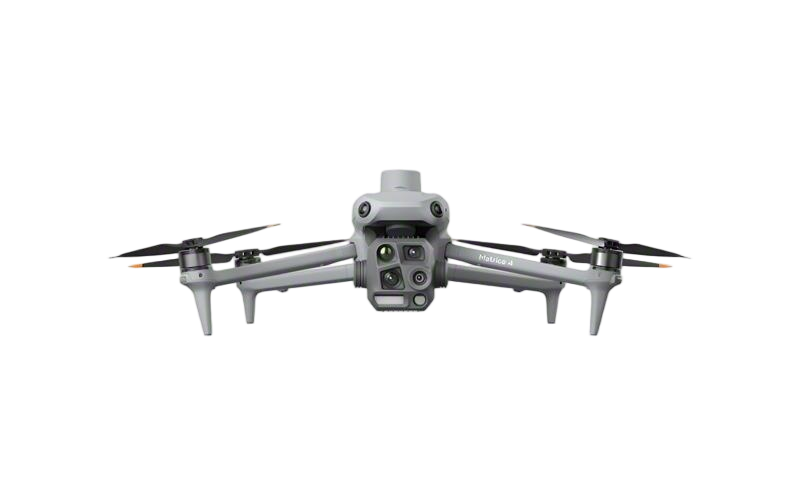
DJI Mavic 3 Enterprise in Action: Insights from Drone Industry Insights’ 2024 Drone Market Report
Drone Industry Insights’ 2024 Drone Market Report projects the global drone market will expand from approximately $30.6 billion in 2023 to $54.6 billion by 2030, reflecting an estimated compound annual growth rate of 8.6%. This growth highlights rising demand for dependable aerial data in surveying, infrastructure inspection, emergency response, and industrial operations. Against this backdrop, the Mavic 3 Enterprise offers a practical platform for organizations seeking professional capabilities in a compact, rapidly deployable design.
Weighing little and unfolding within moments, the aircraft can provide up to 45 minutes of flight time, supporting efficient fieldwork with fewer battery changes. Its three-axis gimbal integrates a 20MP wide-angle camera for broad site documentation and rapid mapping, alongside a 12MP telephoto camera with 56x hybrid zoom for examining distant assets and details. These features can help teams collect visual information while maintaining safer stand-off distances around structures, terrain, or active work areas.
The same report identifies data quality, operational efficiency, and automation as important drivers of commercial drone adoption. Long-range O3 transmission, omnidirectional obstacle avoidance, and dual-camera flexibility align with these priorities by improving situational awareness and reducing unnecessary repositioning. For corporate teams, infrastructure professionals, and first responders, the system can support repeatable inspections, evidence collection, and time-sensitive assessments without requiring a large equipment footprint.
FAQS
Payload includes cameras, batteries, mounts, and safety equipment. A five-kilogram rating may leave much less usable capacity. Test the aircraft with the actual working sensor. Record payload at takeoff and landing. Numbers can disappoint.
Wind, temperature, altitude, and battery age reduce practical flight time. Heavy sensors can shorten missions further. Request flight records from realistic conditions. Keep at least a 20% operating margin. It is imperfect, but useful.
C2 range means the reliable control link, not maximum video distance. Terrain, antenna height, interference, and local rules affect performance. Ask about link-loss behavior and recovery time. Review recorded logs from several flights. Range is contextual.
Request sample imagery, flight records, maintenance intervals, and test conditions. Ask for local service contacts and spare-part availability. Three demonstrations are better than one polished flight. Also confirm airspace, export, privacy, and radio requirements. Paperwork matters.
Include batteries, propellers, motors, landing gear, cables, training, insurance, and transport. Budget for two complete battery sets per aircraft. Battery life may reach 300 to 500 cycles under controlled conditions. Heat and poor storage can reduce that figure. Purchase price is not ownership cost.
Train operators in mission planning, battery handling, inspections, and emergency procedures. Keep critical parts within practical reach. Check repair turnaround and remote response times. Plan for customs delays and local inventory shortages. Downtime is expensive.
Buyers often overvalue maximum endurance and overlook setup time. They may also rely on optimistic monthly flight estimates. Recalculate costs using actual utilization after operations begin. A catalogue number is only a starting point. Our assumptions can be wrong.
Conclusion
This guide presents a practical framework for evaluating Enterprise Uavs for commercial and industrial operations. It groups aircraft by maximum takeoff weight—under 25 kg, 25–150 kg, and above 150 kg—and compares leading Chinese manufacturers across mission suitability, payload capacity, endurance, command-and-control range, autonomy, and operational reliability. Instead of focusing only on purchase price, buyers are encouraged to assess complete system performance, including flight planning, communications, remote identification, detect-and-avoid functions, and integration with modern airspace-management platforms.
The article also explains how to evaluate production quality through ISO 9001 processes, weather protection, redundancy, and measurable reliability targets. For international procurement, it highlights the importance of reviewing applicable aviation approvals, export requirements, documentation, and operating permissions in the destination market. Finally, it examines lifecycle economics, including battery replacement cycles, spare-parts availability, operator training, software support, maintenance arrangements, and regional service coverage, helping organizations select a compliant, scalable, and economically sustainable UAV solution.
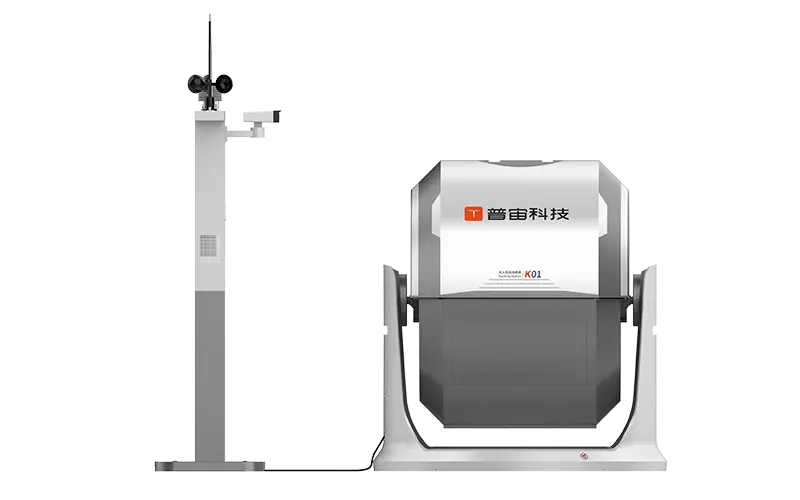 GDU
GDU
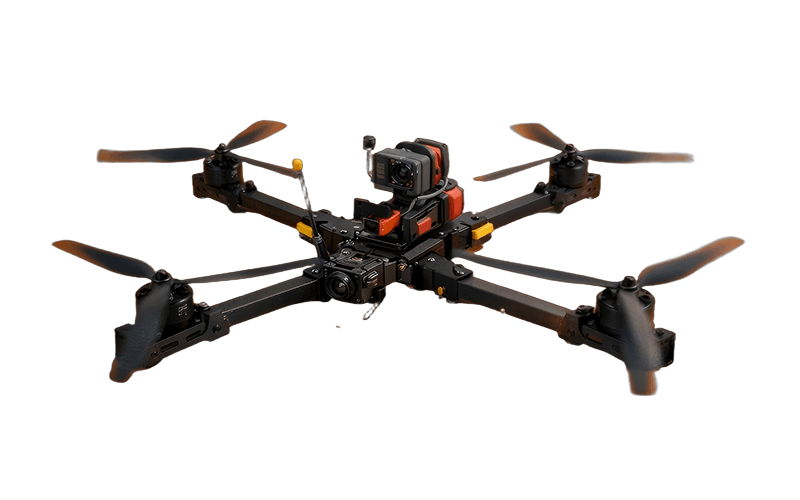 UUUFLY
 DJI
DJI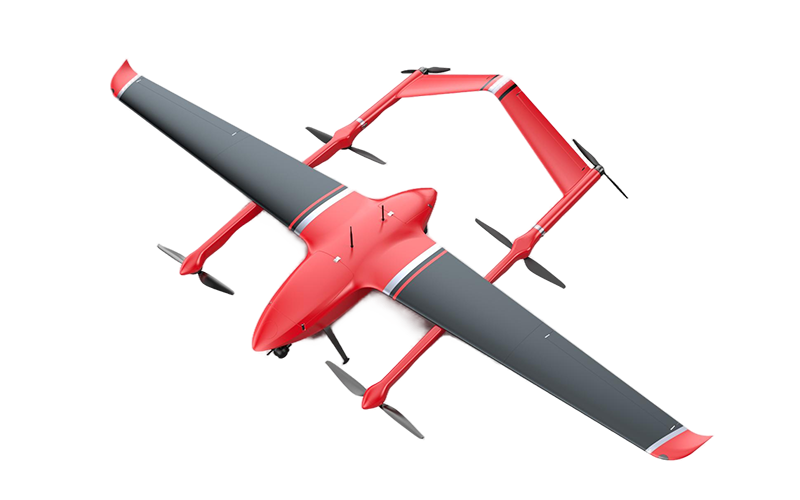 MMC
MMC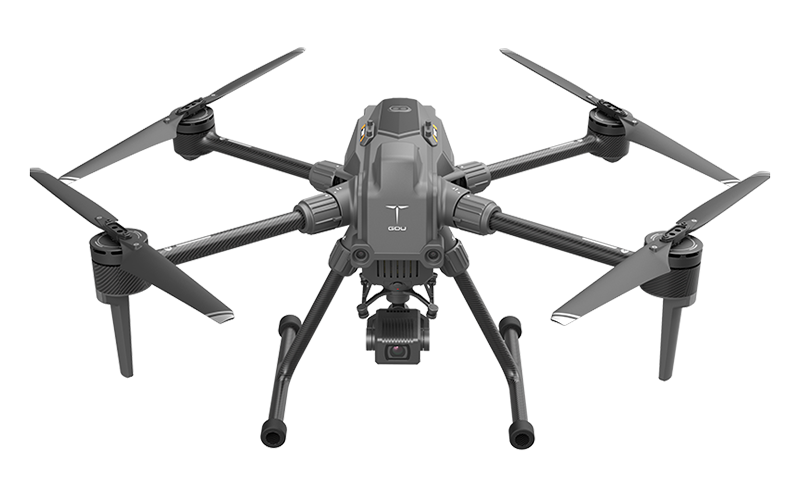 GDU
GDU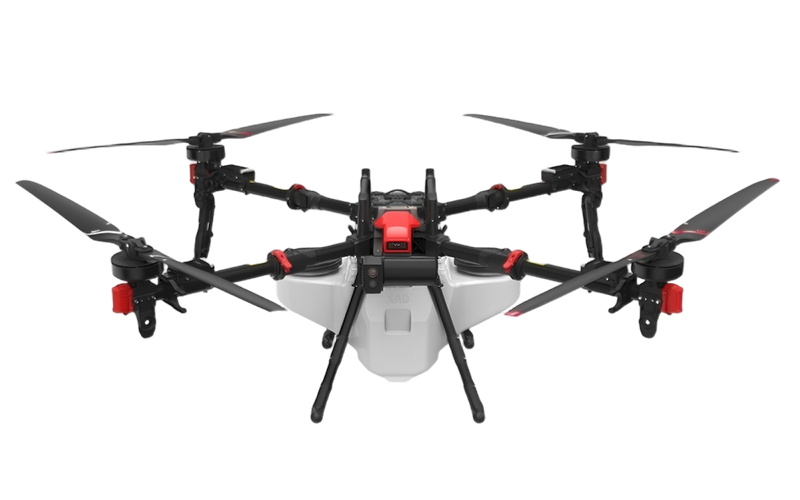 XAG
XAG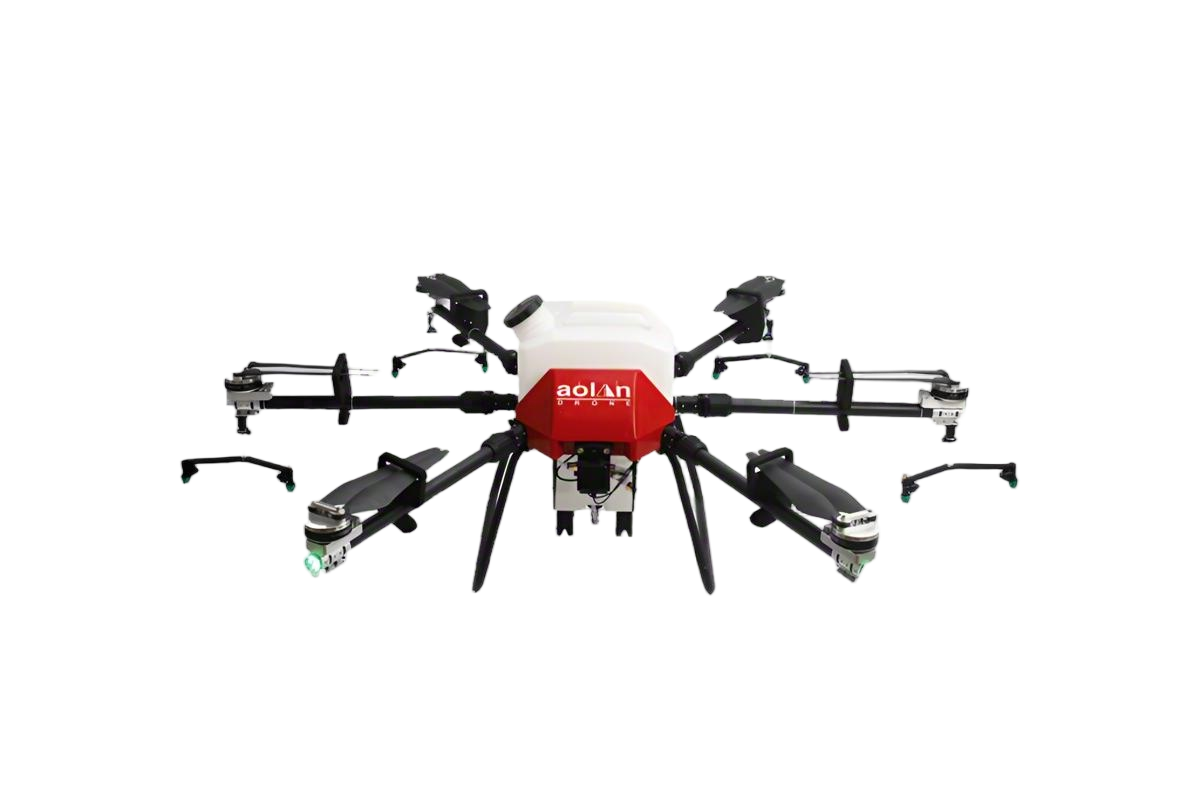 AOLAN
AOLAN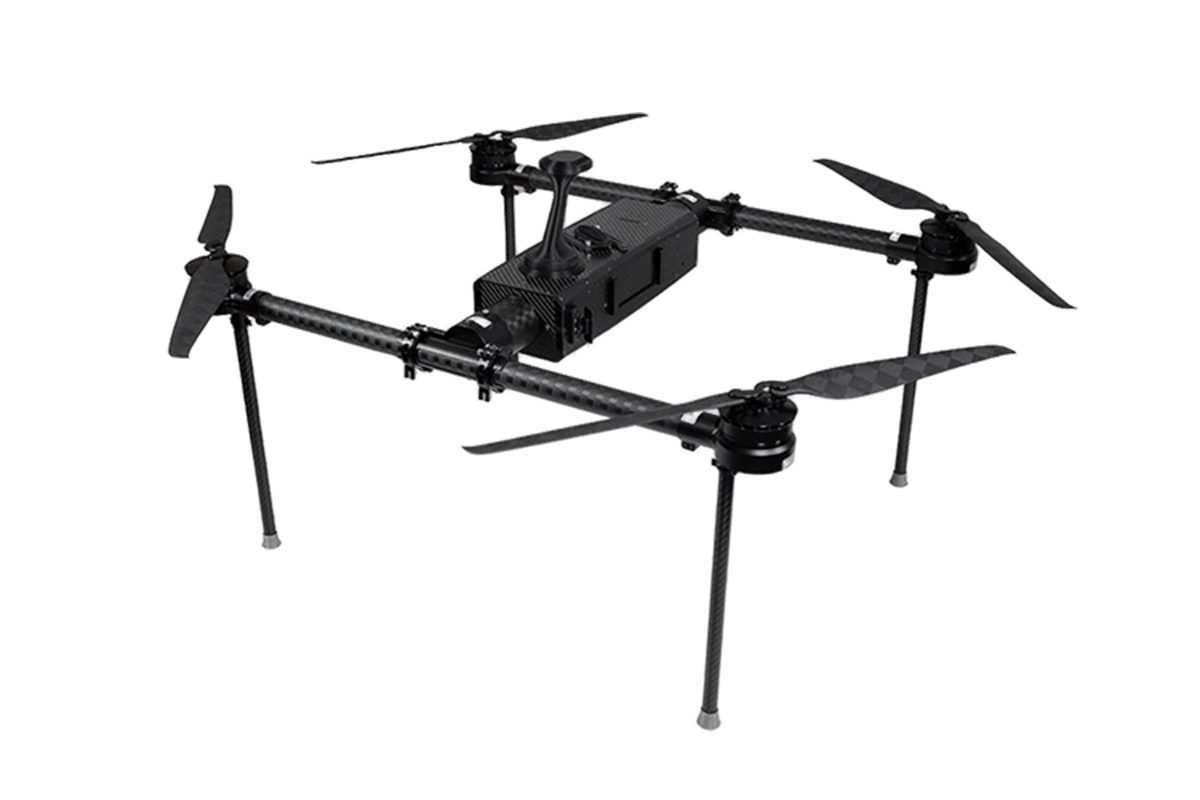 KEEL
KEEL SKY NEXT


