 GDU
GDU
 UUUFLY
 DJI
DJI MMC
MMC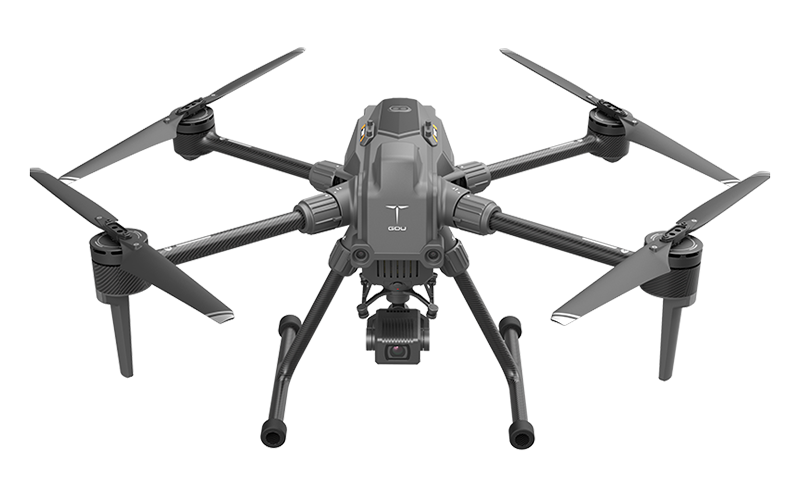 GDU
GDU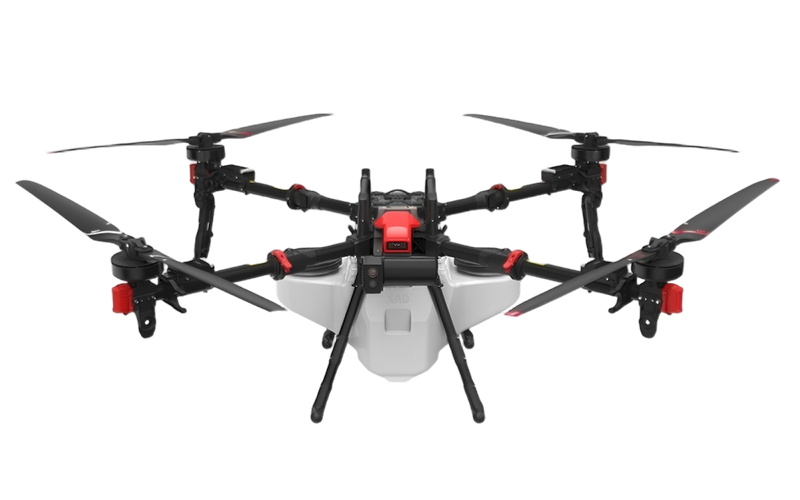 XAG
XAG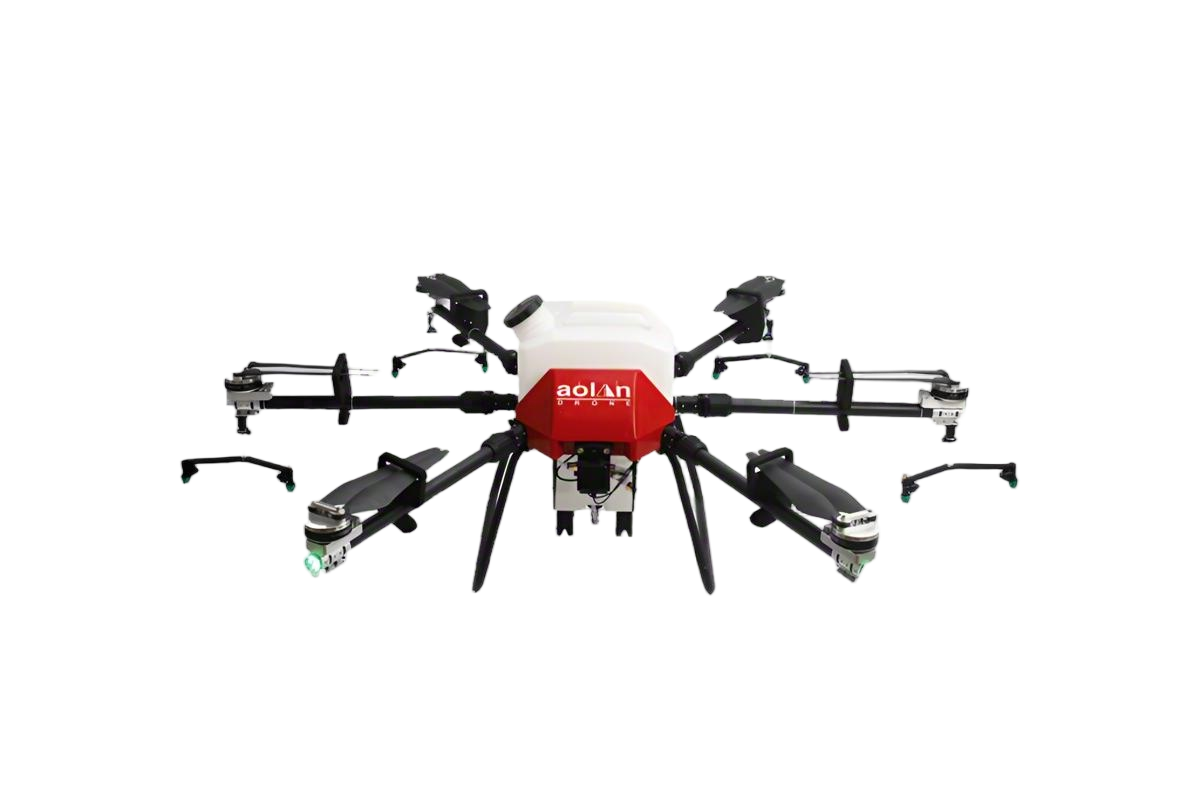 AOLAN
AOLAN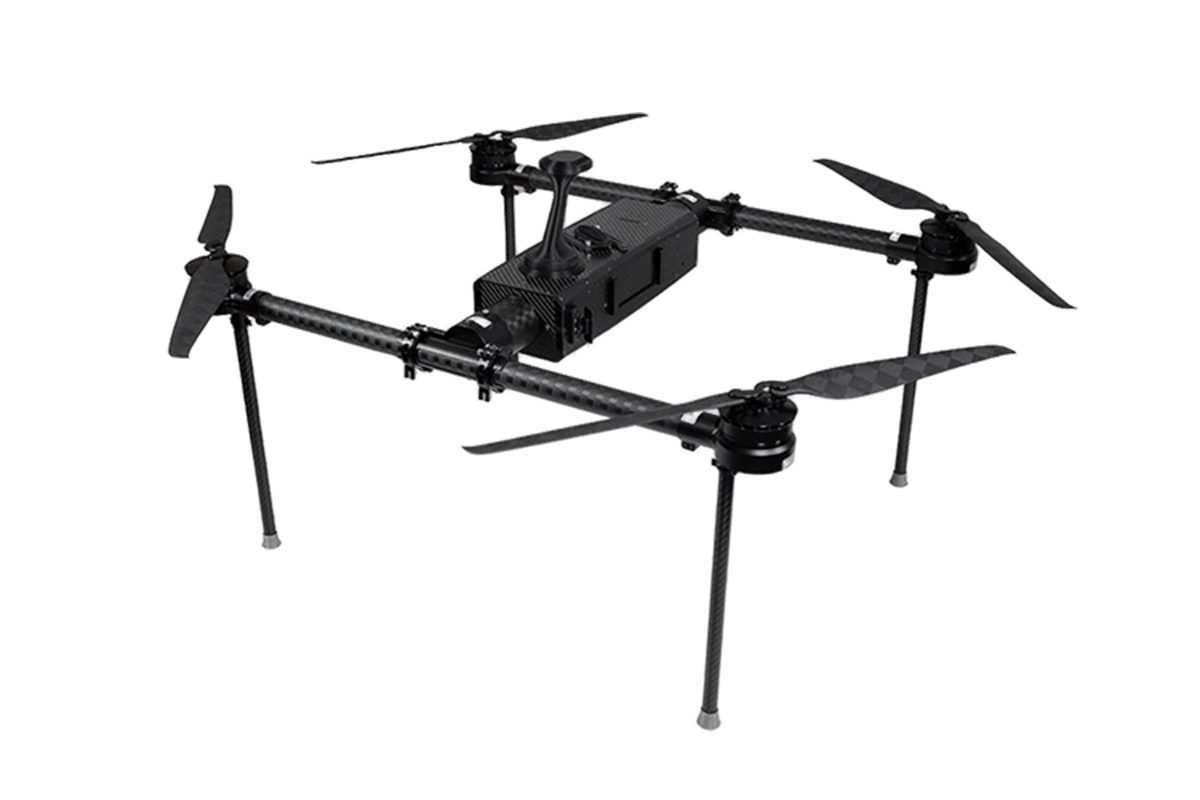 KEEL
KEEL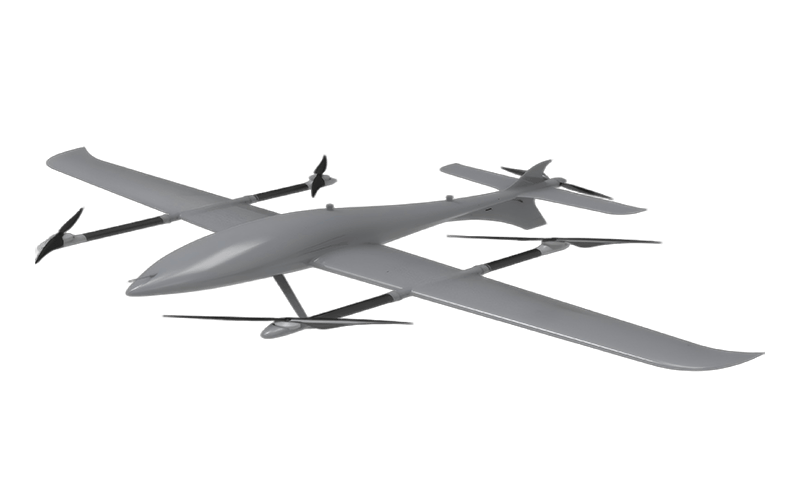 SKY NEXT
- DJI Matrice-4T
- DJI Matrice 4E Drone
- DJI Matrice 4TD
- DJI Matrice 30T
- DJI Mavic 3 Emterprise
- DJI Mavic 3M Multispectral Drone
- DJI RC 2 Plus Industry Plus
- DJI Matrice 4 Series Battery
- DJI Matrice 4D Series Batteries
- TB65 Intelligent Flight Battery
- TB100 Smart Flight Battery
- WB37 Battery
- DJI Accessories

In today’s ever-changing world of farming, using Fertilizer Drones has really turned things around. Experts like Dr. Emily Thompson, who’s an agronomy whiz at AgriTech Innovations, often stress how crucial it is to pick the right drone. I remember her saying once, "The right Fertilizer Drone can boost your harvest and cut down on waste." That really highlights how important it is to choose carefully.
Farmers often struggle when trying to figure out which Fertilizer Drone is best for them. There are so many brands, sizes, and features out there—it can get pretty overwhelming. Every drone is different, with specs that suit different farm sizes and types. For instance, a small farm might do just fine with a tiny, manageable drone, while a big operation might need one with a bigger payload. Getting this right really makes a difference in how efficiently things run.
And let’s not forget, not all drones are created equal. Some say they’re super easy to use, but honestly, they can still be a bit tricky. Farmers need to think about what they actually need and what they’re comfortable handling. Plus, it’s important to be aware of local rules and regulations—those can trip you up if you’re not careful. If you approach it thoughtfully, using a Fertilizer Drone correctly can lead to healthier crops, better yields, and practices that are good for the environment overall.

Understanding Fertilizer Drones and Their Benefits for Agriculture
Fertilizer drones are transforming agriculture. They offer precision in applying nutrients. This technology ensures crops receive the right amount at the right time. Farmers can reduce waste and increase yields easily. Drones use GPS and sensors to identify needs across fields. They can cover large areas quickly, saving time and labor costs.
Understanding fertilizer drones involves knowing their benefits. They provide real-time data on crop health. Farmers can make informed decisions based on accurate information. This reduces the risk of over-fertilizing, which can harm the environment. Some farmers may question the reliability of drone technology. Drones require regular maintenance and monitoring to work effectively. Educating users about these aspects is crucial.
Moreover, integrating drones into existing practices might seem daunting. Training is necessary for effective operation. Not all farms have the infrastructure to support these advanced tools. Financial investments can be a barrier. However, the potential benefits often outweigh these challenges. Adopting such technology could revolutionize how we approach farming.
Maximizing Crop Protection with High-Efficiency Carbon Fiber AL4-20 Agriculture Sprayer Drones
The advancement of agricultural technologies has led to the development of innovative solutions aimed at enhancing crop protection. One such solution is the high-efficiency carbon fiber agricultural sprayer drone. Designed specifically for precision crop care, these drones offer a cutting-edge alternative to traditional spraying methods, enabling farmers to achieve greater efficiency and effectiveness in their field operations.
The lightweight yet durable carbon fiber construction of these sprayer drones allows for seamless navigation across large-scale fields, minimizing environmental impact while maximizing performance. With the ability to accurately target specific areas, these drones ensure that crops receive the right amount of care and protection, reducing waste and promoting healthier yields. The integration of advanced spraying mechanisms allows for uniform coverage, crucial for pest and disease management in an ever-evolving agricultural landscape.
Furthermore, the automation capabilities of these drones streamline workflow processes, enabling farmers to save time and labor resources. As agriculture continues to embrace technology, utilizing high-efficiency carbon fiber sprayer drones represents a significant step towards sustainable farming practices, ensuring that crop protection is not only effective but also environmentally friendly. This innovation empowers farmers to adapt to changing agricultural demands while maximizing productivity and efficiency.

FAQS
: Battery life is crucial. Longer battery life allows for more ground coverage without frequent recharges.
Factors include battery health, terrain, and payload. Uneven landscapes can reduce flight time.
Regular monitoring is essential. Over time, batteries may decline in performance, affecting flight efficiency.
Evaluate your field size and fertilization needs. Drones suited for small farms may struggle on larger plots.
Customer experiences reveal real-world efficacy. Feedback can guide new buyers on the most important features.
Yes, users often report technical issues or complex interfaces. Research can help avoid these frustrations.
Larger payload capacities enable covering more ground quickly, which reduces labor costs and time.
Some optimized drones can manage up to 200 acres on a single charge, improving operational efficiency.
Engaging in online forums provides insights from other users, helping to avoid costly mistakes during purchase.
Some drones do not live up to their advertised features, leading to disappointment and the need for careful research.
Conclusion
When selecting the best fertilizer drone for your farm, it is essential to understand their benefits for agriculture. Fertilizer drones streamline the distribution of nutrients, enhancing crop growth and reducing labor efforts. Key features to consider include payload capacity and coverage area, which directly relate to your farm size and operational efficiency. Additionally, assessing flight time and battery life is crucial for sustained operations.
Moreover, a thorough comparison of cost-effectiveness among different fertilizer drones will help ensure you make a financially sound decision. Gathering customer feedback and expert recommendations can provide valuable insights into the performance and reliability of the drones. Finally, it is important to be aware of any regulatory requirements and safety guidelines associated with drone use, ensuring your farming practices remain compliant and safe.
Related Posts
-

Best Agriculture Sprayer UAVs for Efficient Farming Solutions?
-

2026 Best Spray Drone for Agriculture and Aerial Surveys?
-

What is a Fertilizer Drone and How Does It Work?
-

Best Fertilizer Drone Options for Efficient Farming?
-

Top 10 Fertilizer Drones to Buy in China for Global Buyers?
-

Fertilizer Drone Innovations at 139th Canton Fair 2026?
