| Safety |
Obstacle detection and flight protection |
Multi-directional obstacle sensing, terrain-following capability, return-to-home, low-battery alerts, and emergency landing functions. |
Request a live demonstration in orchards, near power lines, and on uneven ground. Confirm whether sensors remain effective in low light, dust, and light rain. |
15% |
5 / 5 |
| Safety |
Payload containment and chemical exposure control |
Leak-resistant tank, secure lid, sealed connectors, chemical-resistant hoses, and a controlled shut-off system. |
Inspect seals and hose connections. Confirm compatibility with the pesticides, fertilizers, adjuvants, and cleaning agents used on the farm. |
10% |
5 / 5 |
| Safety |
Application accuracy and drift reduction |
Adjustable flow rate, electronically controlled spray output, calibrated nozzles, and swath control that can reduce unnecessary overlap. |
Review nozzle type, droplet-size options, calibration procedures, wind limitations, and field test results. Application settings must follow the pesticide label. |
12% |
5 / 5 |
| Regulations |
Aircraft and operator compliance |
The aircraft, remote pilot, and operating method must comply with the aviation authority and agricultural rules in the country where the drone will be used. |
Check registration, pilot certification, operating permissions, insurance, remote-identification requirements, and any restrictions on autonomous flight. |
15% |
5 / 5 |
| Regulations |
Agricultural chemical authorization |
Only products and application methods approved for aerial or drone use may be applied, subject to local label directions and buffer requirements. |
Confirm requirements with the local agriculture department or pesticide regulator. Check rules for waterways, schools, residential areas, pollinator protection, and wind speed. |
12% |
5 / 5 |
| Regulations |
Operational limits and record keeping |
The operating plan should define maximum altitude, approved flight zones, weather limits, exclusion areas, incident procedures, and application records. |
Verify that the flight-control system can log location, time, altitude, speed, coverage, tank usage, and application parameters for audit purposes. |
8% |
5 / 5 |
| Maintenance |
Cleaning and decontamination |
The spray system should be easy to flush, drain, inspect, and clean without exposing workers to concentrated chemical residue. |
Check whether the tank, pump, filters, hoses, and nozzles can be removed or flushed efficiently. Confirm the recommended cleaning agents and disposal procedure. |
8% |
5 / 5 |
| Maintenance |
Routine service and replaceable parts |
Consumable parts such as nozzles, filters, seals, pumps, propellers, and landing gear should be replaceable with documented service intervals. |
Request the maintenance schedule, parts catalog, repair instructions, and average lead times for critical components before signing a purchase agreement. |
8% |
5 / 5 |
| Maintenance |
Battery safety and lifecycle management |
Smart batteries should provide temperature, charge-cycle, voltage, and health information, with safe charging and storage procedures. |
Confirm charging time, recommended storage charge, transport rules, fire protection requirements, expected cycle life, and battery replacement cost. |
7% |
5 / 5 |
| Support |
Training and onboarding |
The purchase should include practical training covering flight operations, spraying technique, calibration, chemical handling, emergency response, and data management. |
Ask whether training is delivered on the farm and whether refresher courses, operator assessments, and written standard operating procedures are available. |
6% |
4 / 5 |
| Support |
Technical response and repair network |
Accessible technical support, documented response times, qualified repair technicians, and a local or regional parts supply. |
Obtain service-level commitments for grounded aircraft, battery faults, software problems, crash repairs, and urgent replacement parts. |
5% |
4 / 5 |
| Farm Fit |
Coverage efficiency and workflow compatibility |
Choose tank capacity, battery quantity, charging setup, refill process, and flight endurance according to field size, terrain, crop type, and daily workload. |
Calculate productive hectares per hour using realistic refill, battery-swap, setup, cleaning, and weather-delay times rather than relying only on maximum flight duration. |
4% |
4 / 5 |
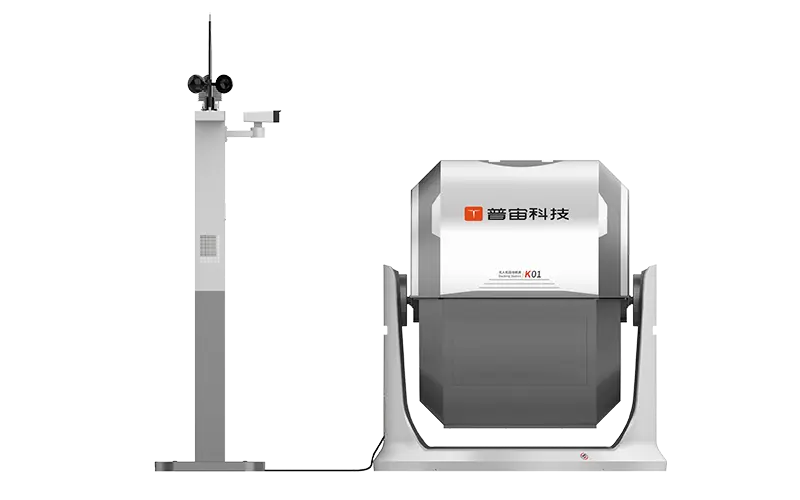 GDU

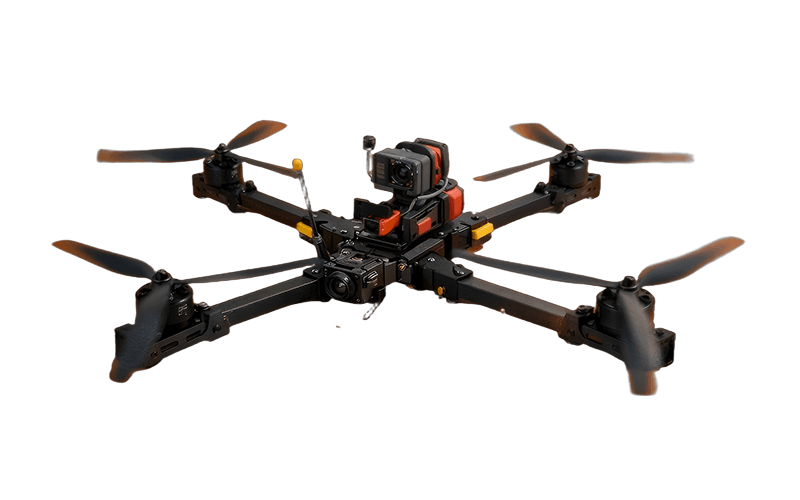 UUUFLY
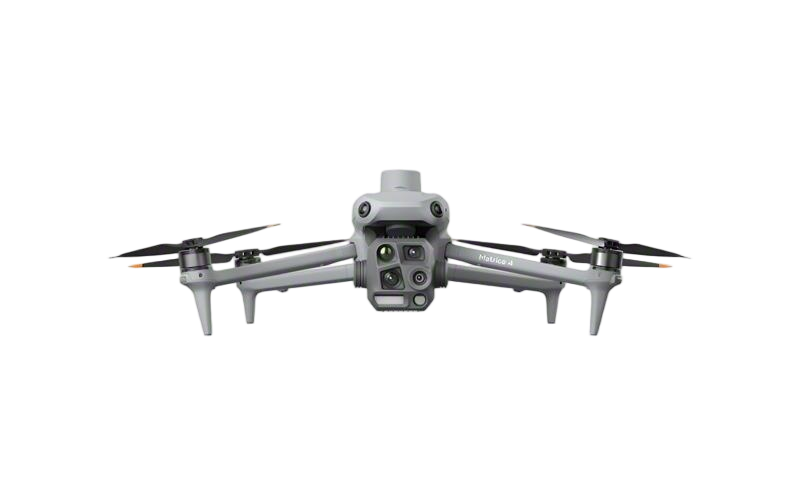 DJI
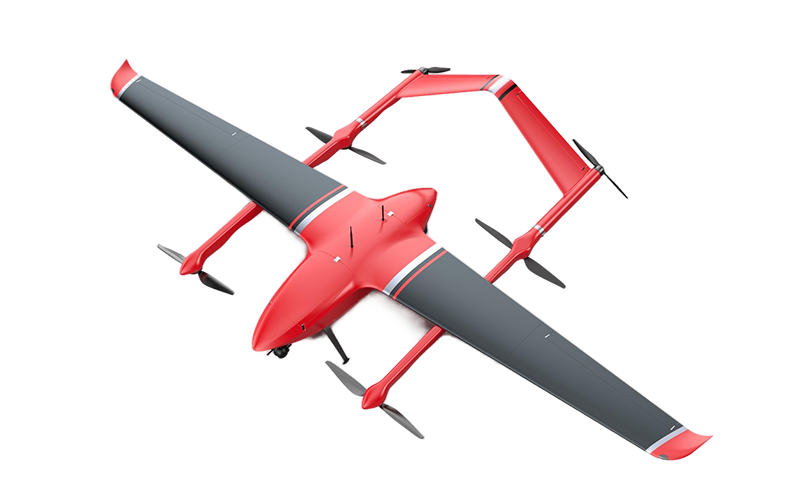 MMC
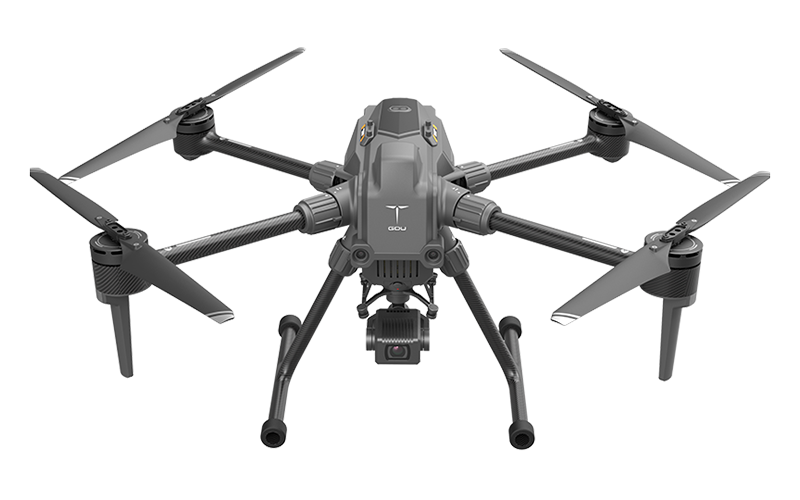 GDU
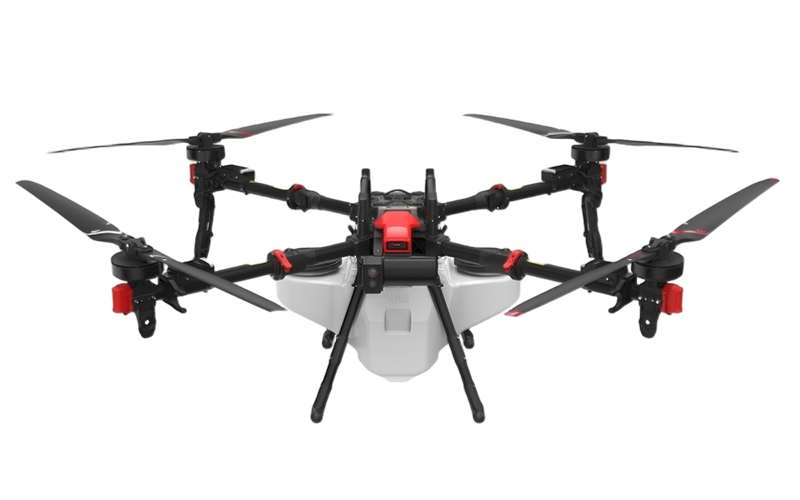 XAG
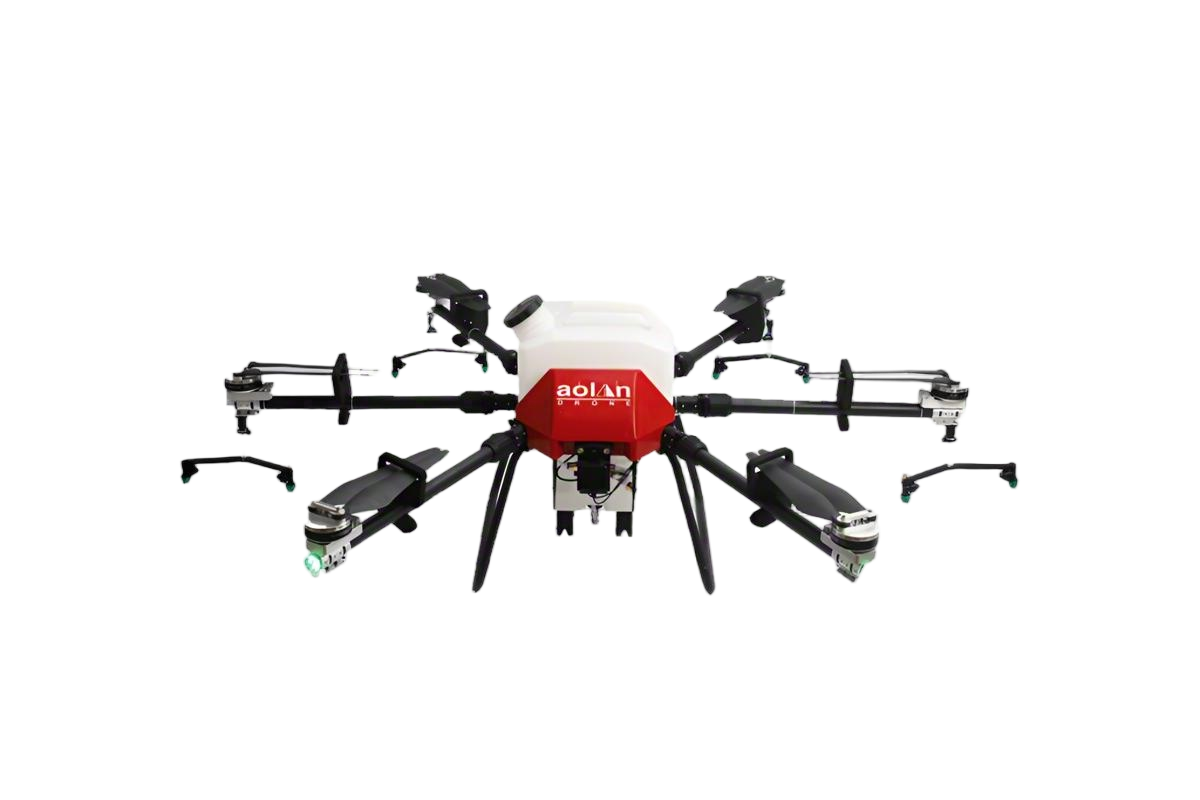 AOLAN
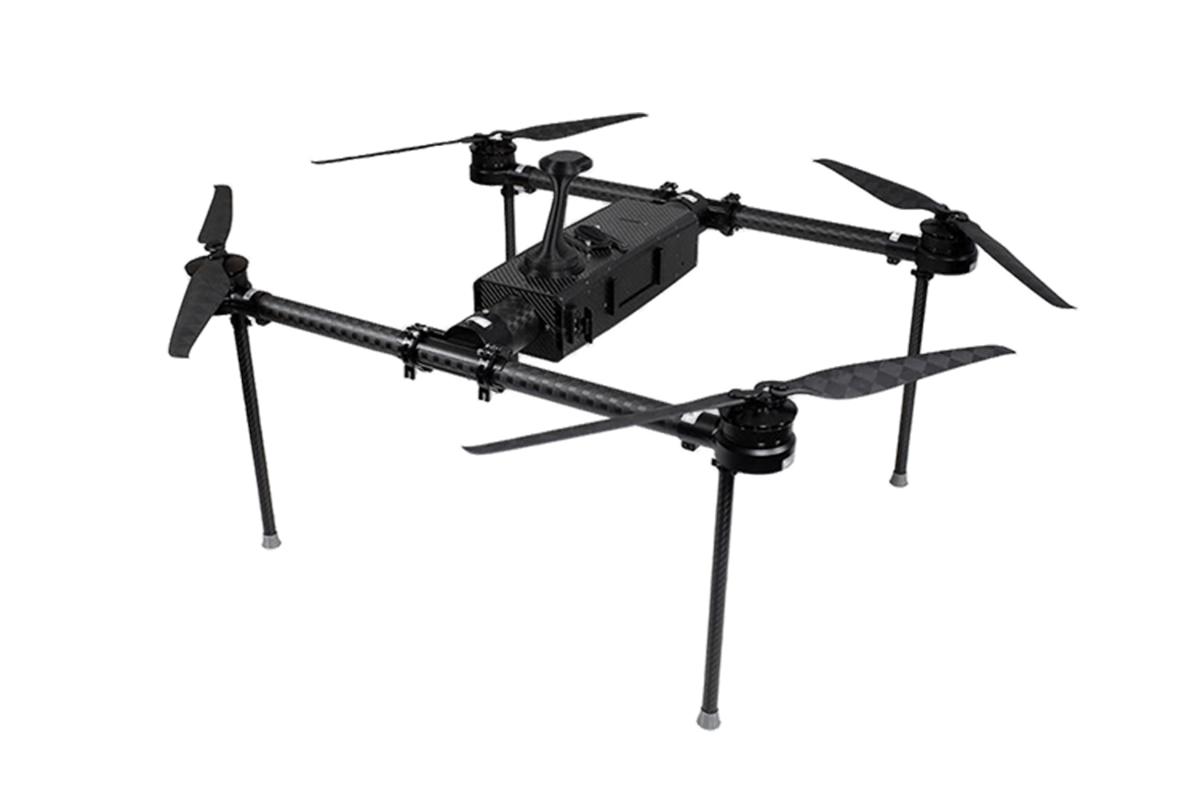 KEEL
 SKY NEXT


